Why Your Drum Stick Choice Matters More Than You Think
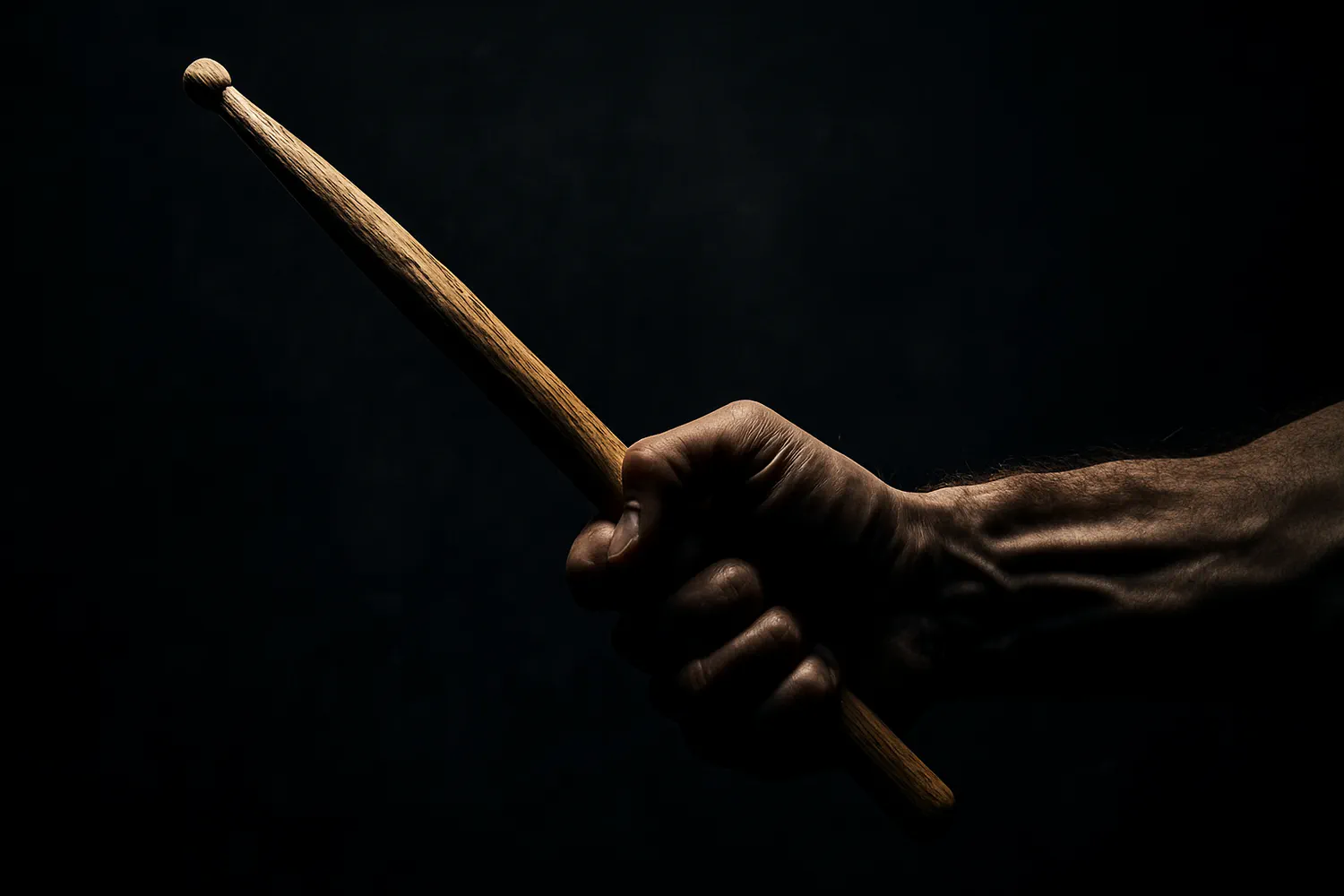
If you’ve been playing drums for a while, you’ve probably grabbed whatever stick was lying around at a gig or practice. We’ve all been there. But here’s the thing — the sticks you choose are the only direct connection between your hands and the drum. Everything else is secondary.
It’s Not Just a Stick
Mass-produced sticks treat every drummer the same. But a jazz player needs completely different things than a metal drummer. If you’re playing heavy music — metal, hardcore, heavy rock — your sticks take more punishment in one set than some players’ sticks do in a month.
That’s why weight, balance, and wood quality aren’t just specs on a package. They’re the difference between a stick that lasts a full gig and one that splinters mid-song.
What to Look For
Consistency. Two sticks from the same pair should feel the same. This sounds obvious, but cheap manufacturing produces wild weight variations even within the same batch.
Durability. Hickory is the standard for a reason — it absorbs shock without snapping too easily. But not all hickory is the same. The grain density and drying process matter.
Balance point. Where a stick balances affects how it rebounds off the head. A stick that’s too tip-heavy will feel sluggish. Too handle-heavy and you’ll lose power.
The NBPD Difference
Every NBPD stick is selected for consistency within each pair. We don’t batch-match by average — we match by actual weight and balance. That means when you open a pair from us, both sticks actually feel the same in your hands.
It’s a small quality check that makes a big difference when you’re playing at full intensity.
This is the philosophy behind NBPD Sticks. Built for players who hit hard and play harder.